Fast extraction, structural drying, and code-correct repairs across the San Fernando Valley
Water leak restoration in Tarzana, done right the first time
Water leak restoration in Tarzana means stopping the source, extracting standing water, and drying your structure before mold sets in. We handle slab leaks, supply-line failures, and roof intrusion in Tarzana Hills, Vanalden, and along Ventura Boulevard. Our team arrives with thermal imaging and commercial extraction rigs, so you get a dry, documented, insurable result. Call (833) 321-7153.
Live phone supportUpfront optionsBacked workmanship
What's included
What our water leak restoration service includes
Every water leak restoration job includes leak detection, extraction, drying, and documentation. Repairs and mold remediation are added when the scope calls for it. Here is what you get as standard.
Leak detection and moisture mapping
We use thermal imaging and moisture meters to find the source and map the wet zone. This tells us exactly where to focus drying and which materials need to be removed.
Water extraction
Truck-mounted and portable extractors remove standing water from carpet, hardwood, tile, and concrete. We pull the bulk of the water in one to three hours on a typical room.
Structural drying
Air movers and dehumidifiers run 24/7 until the structure hits dry standard. We monitor daily and adjust equipment placement based on moisture readings.
Antimicrobial treatment
We apply EPA-registered antimicrobial to affected surfaces to inhibit mold growth. This is standard on every water loss, not an add-on.
Insurance documentation
Photos, moisture logs, and a written scope of work are prepared for your adjuster. We can bill your carrier directly for covered losses.
Repairs and reconstruction
Drywall, baseboard, paint, and flooring repairs are handled after drying is complete. We restore the area to pre-loss condition and walk you through the finished work.
Service overview
What water leak restoration in Tarzana involves
Water leak restoration in Tarzana is the process of finding the leak source, removing standing water, drying the structure to IICRC S500 standards, and repairing damaged materials. It is not just a shop vac and a fan. We use thermal imaging cameras, moisture meters, and refrigerant or desiccant dehumidifiers to pull water out of drywall, subfloor, and framing. If the leak came from a supply line behind a wall, we open the cavity, dry it, and close it back. If it came from a slab, we pressure-test the line and route a new one.
Tarzana homes sit on a mix of 1950s ranch slabs and newer hillside builds, and both fail differently. Older copper supply lines pinhole after decades of hard water. Hillside properties in Tarzana Estates and Braemar Country Club wick water down slope into crawl spaces and lower-level walls. We see this most after the first big rain in November, when roof drains and window flashing give out. If you are searching for emergency water cleanup near me in Tarzana, that usually means water is still moving and every hour counts.
How we workWe verify the cause, compare realistic options, and confirm the repair before we leave.
The service timeline
How our water leak restoration process works
The process flexes to the condition, but these checkpoints keep decisions clear.
Emergency call
You call (833) 321-7153 and describe what you see. We ask where the water is, whether the source is still running, and whether you have shut off the main. If you have not, we walk you through it. A crew is dispatched immediately, and we give you a realistic arrival window based on your Tarzana address.
Inspection and leak detection
On arrival, we walk the property with thermal imaging and pin-type moisture meters. We map the wet zone, find the leak source, and check adjacent rooms, closets, and crawl spaces. This takes 30 to 60 minutes on a typical house and tells us exactly what we are dealing with before any equipment comes in.
Water extraction
Truck-mounted and portable extractors pull standing water from carpet, hardwood, tile, and concrete. For a flooded room, we remove the bulk of the water in one to three hours. If the leak is still active, we isolate the line or coordinate with a licensed plumber before extraction begins.
Structural drying
We set air movers and dehumidifiers based on the size of the wet zone and the material types. Drywall, hardwood, and concrete each dry at different rates. Equipment runs 24 hours a day, and we return daily to take moisture readings and adjust placement until the structure hits dry standard.
Repairs and clearance
Once the structure is dry, we handle drywall, baseboard, paint, and flooring repairs. Final moisture readings are documented, and we walk you through the completed work. If mold was present, we complete remediation and clear the area before closing up walls.
Tools & methods
Tools and methods we use
Purpose-built equipment, used by trained technicians, so the job is done accurately the first time.
Thermal imaging camera (FLIR)
Detects temperature differences caused by moisture behind walls, under floors, and in ceilings without demolition.
Pin-type and pinless moisture meters
Measures moisture content in drywall, wood, and concrete to establish dry standard and track drying progress.
Truck-mounted water extractor
Removes large volumes of standing water quickly from carpet, hardwood, and concrete surfaces.
Refrigerant dehumidifier
Pulls moisture from the air in warmer conditions, typically used in living spaces and bedrooms.
Desiccant dehumidifier
Pulls moisture from the air in cooler or low-humidity conditions, often used in crawl spaces and basements.
Air movers (high-velocity fans)
Circulate air across wet surfaces to accelerate evaporation. Placed based on the size and shape of the wet zone.
EPA-registered antimicrobial
Applied to affected surfaces to inhibit mold growth during and after drying.
Use cases
When to call for water leak restoration
These examples show how the service framework adapts rather than forcing every call through one repair.
Slab leak in Tarzana Estates
A homeowner noticed warm spots on the floor and a spike in the water bill. Thermal imaging confirmed a slab leak under the living room floor. Hardwood was cupping, and the slab was saturated. → We isolated the leak, extracted water from the affected area, and dried the slab and flooring over five days. A plumber rerouted the line. The hardwood was replaced, and the slab was sealed.
Ceiling leak after storm in Tarzana Hills
After a heavy rain, water stains appeared on the ceiling in two rooms. The attic insulation was wet, and drywall was sagging. The roof flashing had failed. → We extracted water from the attic, removed wet insulation, and dried the ceiling cavity over three days. The flashing was repaired, drywall was replaced, and the ceiling was repainted.
Problems we solve
Water leak problems we solve in Tarzana
Most water leak calls fall into a few categories. Here is what we see and how we fix it.
Slab leak under kitchen or bathroom floor
Supply line failure behind a wall
Roof leak after heavy rain
Crawl space flooding from hillside drainage
Pricing process
What water leak restoration costs in Tarzana
$800 - $5,000+ depending on scope
Size of affected area
A single room costs less to dry than a whole floor. We measure the wet zone and price based on square footage and material types.
Water category
Clean water from a supply line is Category 1. Sewage or outdoor water is Category 3 and requires additional safety protocols and disposal costs.
Time since the leak started
Water that has been sitting for days wicks further into walls and floors. Longer saturation means more demolition and longer drying times.
How much does water leak restoration in Tarzana cost?
Most residential water leak restoration jobs in Tarzana run $1,200 to $4,500 in 2026, depending on the size of the wet area and how long the water has been sitting. A small supply-line leak that is caught quickly might be $800 to $1,500. A slab leak affecting multiple rooms can run $5,000 or more. We provide a written estimate before work begins.
How long does water leak restoration take?
Extraction takes one to three hours for a typical room. Structural drying runs three to five days for most residential jobs, with daily monitoring. Repairs add another two to five days depending on scope. A simple supply-line leak with minimal damage can be fully restored in about a week. A slab leak with flooring replacement may take two to three weeks.
Can you find a hidden water leak without tearing up my walls?
Yes. We use thermal imaging cameras and pin-type moisture meters to locate leaks behind drywall, under tile, and inside ceiling cavities. Thermal imaging detects temperature differences caused by moisture, and moisture meters confirm the reading. This lets us open only the area that needs drying, saving you demolition and repair costs.
Does homeowners insurance cover water leak restoration?
Sudden and accidental leaks, like a burst supply line or a water heater failure, are usually covered. Long-term seepage or maintenance-related leaks often are not. We document the loss with photos and moisture readings, provide a scope of work, and can bill your carrier directly. We tell you upfront which category your loss falls into.
Related services
Related Services
flood restoration services
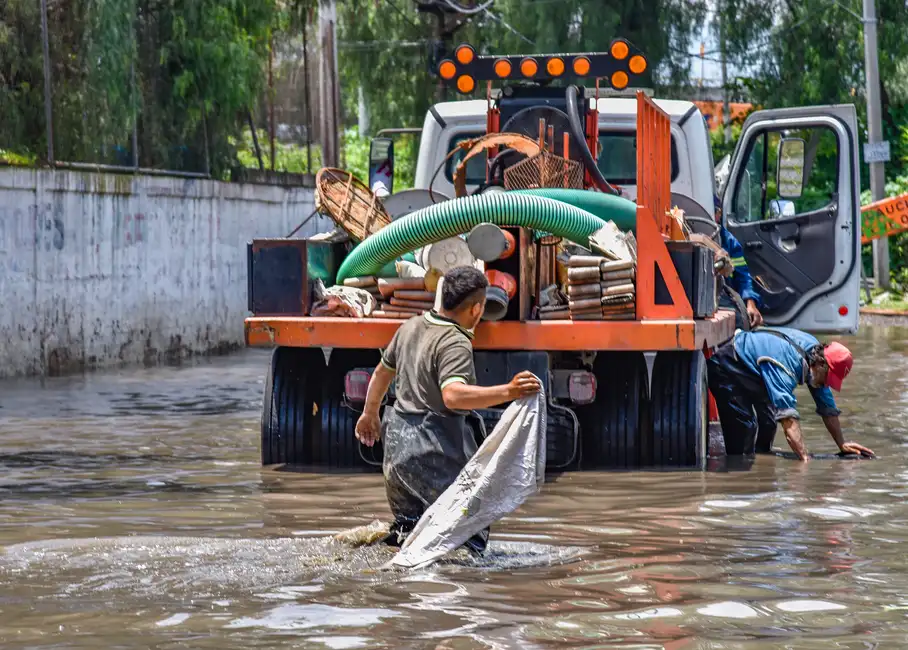
When a leak turns into a full flood, we handle extraction, drying, and repairs for Tarzana homes. Flood restoration covers larger volumes of water and often involves sewage or outdoor water intrusion.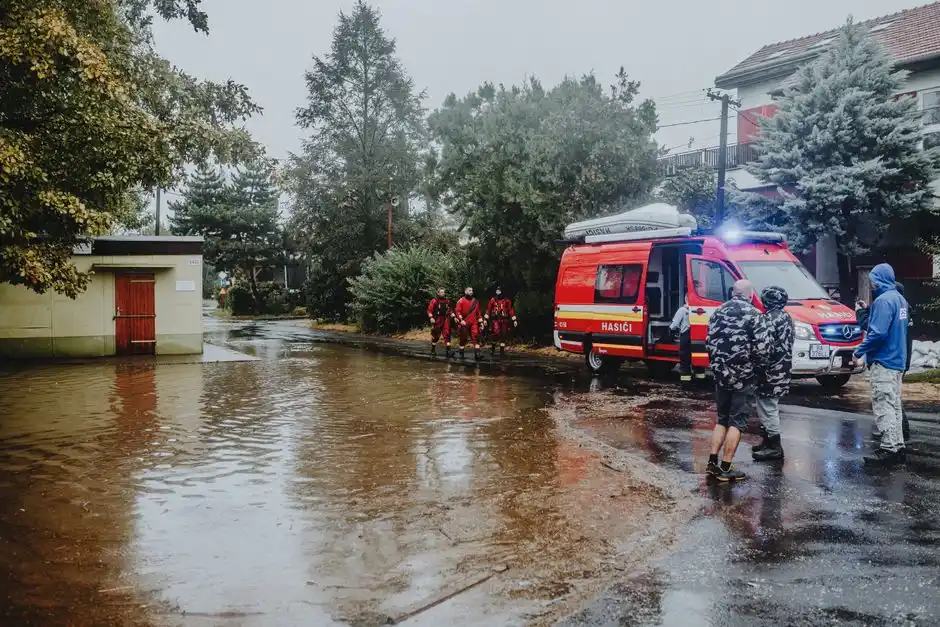
emergency water removal
Standing water needs to come out fast. Our emergency water removal crews use truck-mounted extractors to pull water from carpet, hardwood, and concrete before it wicks into walls and subfloor.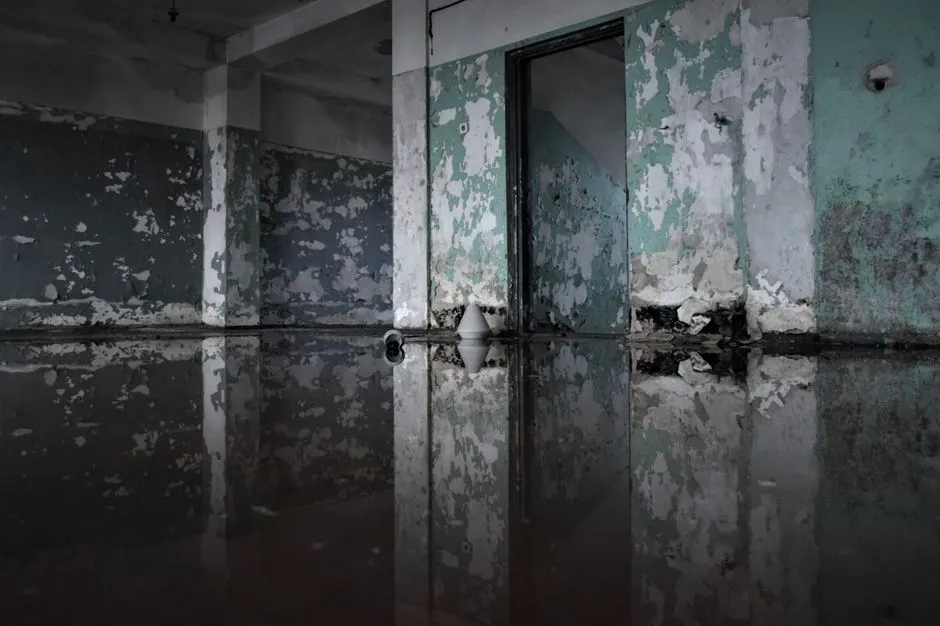
mold remediation after water damage
If a leak has been sitting for more than 48 hours, mold may already be growing. We handle mold remediation after water damage as part of the same job, so you are not coordinating two contractors.Ready when you are
Call now for water leak restoration in Tarzana
Water spreads fast. We answer 24/7 and target a 60-minute arrival window for emergency calls in Tarzana. One call gets a crew headed your way with extraction and drying equipment. Call (833) 321-7153 now.
Talk with the local team
Request water leak restoration
Reach us any hour at (833) 321-7153. A live dispatcher answers 24/7 and sends a crew to your Tarzana address, usually within the hour. We handle emergency extraction, drying, mold work, and repairs, and we bill your insurance carrier directly when you file a claim.