What to do in the first hour of a flood in Vanalden
A flood in Vanalden? Here's the exact first-hour playbook: shut off the water, kill the power, document everything, and call for help before mold sets in.
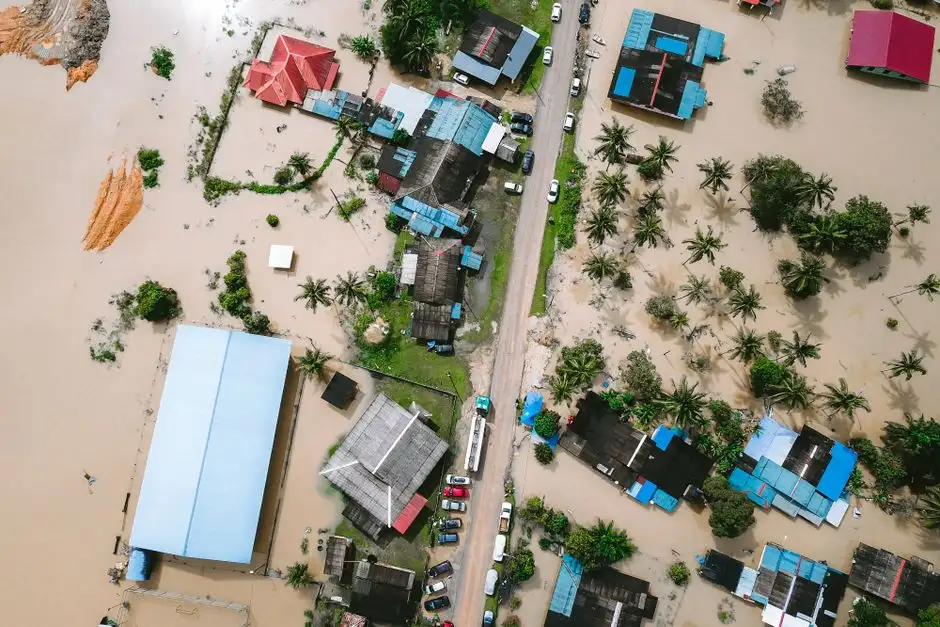
In the first hour of a flood in Vanalden, shut off the water supply, cut power to any wet rooms, and call a restoration crew before you start moving furniture. Those three moves prevent the damage from doubling. Everything else - photos, towels, fans - happens after, and the order matters more than the speed.
We're Water Damage Restoration Tarzana, and we've worked hundreds of Vanalden-area homes where a burst supply line, a failed water heater, or a backed-up drain turned a normal evening into a two-week rebuild. Here's the exact playbook we walk homeowners through on the phone while our crew is en route.
The first hour, minute by minute
Water damage in a Vanalden home compounds on a predictable clock. Within 60 seconds, water wicks into drywall and baseboards. Within 10 minutes, it's soaking into carpet pad and subfloor. By the 60-minute mark, drywall paper starts to delaminate and metal fixtures begin to tarnish. By hour 24, mold spores that were already dormant in the dust are actively colonizing wet drywall - and by 48 hours, that colonization is visible.
That's why the first hour is the only hour where you can meaningfully change the outcome. Here's the sequence:
- Shut off the main water valve (or the fixture valve if you know it).
- Kill the breaker to any room with standing water.
- Photograph and video everything before you move it.
- Call a restoration crew - ours or anyone licensed - and start extraction.
- Only then start moving furniture and pulling up soaked rugs.
If you do nothing else, do steps 1 and 2. Those two actions stop the source and eliminate the electrocution risk. Everything else is recoverable.
Step 1: Stop the water at the source
Find the main shutoff valve first. In most Vanalden homes - especially the 1950s and 1960s ranch houses along the residential streets off Reseda Boulevard - the main shutoff is either at the curb in a concrete box or on the side of the house near the hose bib. Turn it clockwise until it stops. If it's stuck, don't force it with a pipe wrench; you'll snap the stem and turn a $200 repair into a $2,000 one.
If the flood is from a single fixture - a toilet, a washing machine supply line, a refrigerator ice maker - close the angle stop behind or under that fixture instead. Toilet overflows are the most common single-fixture flood we see, and the supply valve is usually a small oval handle behind the bowl. Turn it clockwise. If the water is coming from a toilet overflow cleanup in Tarzana situation, that valve is the difference between a wet bathroom floor and a soaked hallway.
If the water is coming up through a floor drain or a basement floor drain, the source is the city sewer or a blocked main line, not your plumbing. Shut off water use in the house - no showers, no laundry, no dishwasher - and call a plumber. That's a sewage cleanup in Tarzana job, not a mop job, because the water is Category 3 (grossly contaminated) and requires PPE and antimicrobial treatment.
Step 2: Kill the power to wet rooms
Standing water plus an energized outlet is the single most dangerous combination in a flooded house. If you can reach the breaker panel without walking through water, flip the main breaker. If the panel is in a flooded garage or basement, do not go in - call 911 and wait outside.
Once the power is off, unplug nothing. Leave every cord, lamp, and appliance where it is. You'll document it in step 3, and pulling a wet plug can arc.
One more thing: if you smell gas, leave the house immediately and call SoCalGas from outside. A flood can shift a gas appliance connection, and that's a different emergency than water.
Step 3: Document everything before you touch it
Your insurance adjuster will ask for three things: the source of the water, the extent of the damage, and proof of what was damaged. Take 40 to 60 photos and two 60-second videos. Walk the perimeter of every wet room. Open cabinets and photograph the underside of sinks. Photograph the water line on the drywall - that horizontal stain is the adjuster's measurement of how high the water reached.
Don't throw anything away yet. Not the ruined rug, not the swollen particleboard shelf, not the soaked cardboard box of tax records. Pile damaged items in the garage or on the driveway and photograph the pile. Adjusters routinely deny claims when the damaged property has already been hauled to the curb.
If you have a sump pump or a water heater in a basement or lower level, note the model and serial number. If the flood came from a failed appliance, that number ties the loss to a specific unit and sometimes to a manufacturer warranty or a recall.
Step 4: Start moving water and air
Once the source is off and the power is cut, you can start mitigating. Towels, a wet/dry shop vac, and every box fan and dehumidifier you own. Point fans across the wet surface, not down at it - airflow across the surface evaporates water faster than blowing straight down.
What you can't do with household gear is pull water out of carpet pad, subfloor, or the wall cavity. A standard shop vac removes surface water; it doesn't extract the 30 to 40 percent of the water that's already soaked into the pad and the bottom 12 inches of drywall. That's what professional water extraction in Tarzana does - truck-mounted units pull 12 to 18 gallons per minute and can dry a 200-square-foot room in 3 to 5 hours with proper air movers and dehumidifiers running.
If your flood is in a below-grade space, the priority order changes. Basement flood cleanup in Tarzana starts with pumping, then extraction, then drying the concrete and the framing behind the finished walls. Concrete wicks moisture laterally, so a wet basement floor can keep the bottom plate of a stud wall wet for weeks if it isn't dried properly.
What to watch out for in the first hour
Most of the expensive mistakes we see happen in the first 60 minutes, and they're almost always the same five.
- Forcing a stuck main valve. If the handle won't turn by hand, stop. A snapped valve stem turns a $150 repair into a $1,800 repipe section.
- Walking into a flooded basement to flip a breaker. Water and 120-volt circuits don't mix. If the panel is wet, call 911 and stay out.
- Throwing away damaged items before photographing them. Adjusters deny claims for property they can't see.
- Running a household dehumidifier and calling it done. A residential dehumidifier pulls 30 to 50 pints a day. A flooded 300-square-foot room needs 100 to 150 pints a day to dry in a reasonable window.
- Waiting until morning to call. Mold colonization starts at the 24-hour mark. Every hour you wait narrows the window where drying alone can save the drywall.
One more: don't run your HVAC system if the flood was near a return vent. It will pull moisture into the ductwork and spread it through the house. Turn the thermostat to off until a technician inspects the ducts.
When to call a professional
Call us when the water has been standing more than 30 minutes, when it's reached drywall or carpet pad, when the source is a sewer line, or when the flooded area is larger than a single bathroom. Those four conditions are the ones where DIY drying almost always leaves hidden moisture that turns into mold 10 to 14 days later.
Our team handles the whole sequence - extraction, drying, moisture mapping, and rebuild - so you're not coordinating three contractors. We use thermal imaging and pin-type moisture meters to find water you can't see, and we don't close a job until the readings match the dry standard. If you're in the Vanalden area specifically, we have crews who know the neighborhood's older plumbing and slab-on-grade construction, and you can see the full scope of what we do on our Water Damage Restoration page.
We also work the surrounding blocks. If your flood is on the west side of the neighborhood, our Water Damage Restoration in Tarzana Hills crew is often closer. If you're near the commercial strip, our Water Damage Restoration in Reseda Boulevard Corridor team handles a lot of the older mixed-use buildings where a single supply line failure can flood three units.
Frequently Asked Questions
How long does it take for mold to grow after a flood?
Mold can begin colonizing wet drywall and carpet pad within 24 to 48 hours of a flood. In warm, humid conditions - which describes most of the San Fernando Valley from May through October - visible mold can appear in as little as 48 hours. Professional drying within the first 24 hours is the only reliable way to prevent it.
Does homeowners insurance cover flood damage in Vanalden?
Standard homeowners insurance covers sudden and accidental water damage - burst pipes, failed water heaters, appliance supply line failures. It does not cover rising groundwater or storm surge; that requires a separate flood policy through the NFIP or a private carrier. Sewer backups typically need a rider. Call your agent the same day and file the claim before you start repairs.
Can I stay in my house during water damage restoration?
For a single-room loss, usually yes. For Category 3 water (sewage, floodwater) or any loss that affects more than 25 percent of the home's square footage, we recommend staying elsewhere during the first 48 to 72 hours while extraction and drying equipment runs. The equipment is loud, the humidity is high, and the air quality isn't suitable for sleeping.
What does water damage restoration cost in Tarzana in 2026?
Typical 2026 pricing in this area runs $1,200 to $3,500 for a single-room extraction and dry-out, $4,000 to $9,000 for a multi-room loss with drywall removal, and $12,000 and up for a Category 3 sewage or basement flood with rebuild. Most homeowners pay their deductible and the insurance carrier covers the balance.
How long does the whole restoration take?
Extraction takes 3 to 8 hours. Structural drying runs 3 to 5 days with commercial air movers and dehumidifiers. Any rebuild - drywall, paint, flooring, baseboards - adds 1 to 3 weeks depending on material availability and permit requirements. A typical single-room loss is fully closed in 10 to 14 days.
Get help with Water Damage Restoration in Tarzana
If you're standing in a flooded Vanalden home right now, the clock is already running. Call us at (833) 321-7153 and we'll walk you through shutting off the water while a crew heads your way.
We answer 24 hours a day, we serve the entire Tarzana area including Vanalden, Tarzana Hills, and the Reseda Boulevard corridor, and we bill insurance directly so you're not fronting the full cost out of pocket.