Summer Water Leak Risks for Tarzana Homes on Slab Foundations
Tarzana slab homes hide summer leaks underfoot. Here are the real risks, the warning signs, and how to stop water damage before it spreads.
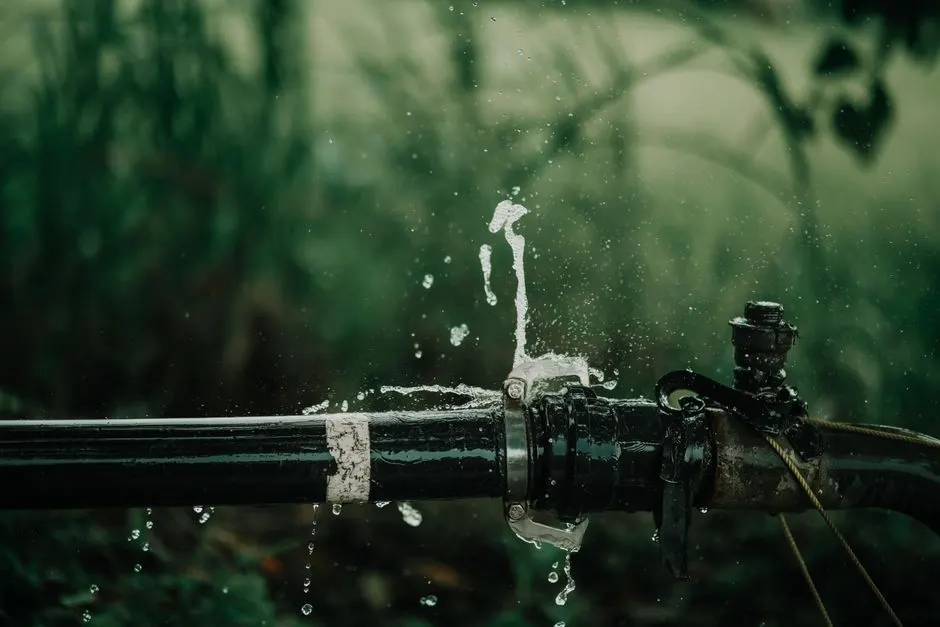
Summer water leaks in Tarzana slab-foundation homes happen because heat expands the soil, stresses buried copper and PVC supply lines, and pushes irrigation and A/C condensate systems to run longer than any other season. The result is water that has nowhere to drain - it sits under your slab, wicks up through the concrete, and shows up as warped flooring, a hot spot on the tile, or a water bill that jumps $80 to $200 in a single month. This post walks through the specific summer leak risks we see across Tarzana, the warning signs that matter, and what to do before a small slab leak turns into a $6,000 to $15,000 repair.
Why Summer Puts Slab Foundations at Risk in Tarzana
Tarzana slab foundations sit on expansive clay soil that shrinks in summer heat and swells when irrigation hits it. That movement is the root of most summer leaks we repair.
From June through September, ground temperatures in the San Fernando Valley push past 100°F on a regular basis. The top 12 to 18 inches of soil dry out and contract, which pulls away from the slab edge and removes the support that keeps buried pipes stable. Copper supply lines that ran quietly all spring start to flex. PVC drain lines that were fine in April crack at joints by August.
Add longer showers, more laundry, and irrigation running at 5 a.m. every day, and your plumbing system is working harder than at any other point in the year. Water damage restoration is the trade that cleans up after those failures - but the smarter move is catching the leak before it soaks 200 square feet of subfloor.
If you want to know what full-service Water Damage Restoration looks like when a slab leak does break through, we handle everything from leak detection to drywall and flooring replacement under one roof.
What Does a Slab Leak Look Like in a Tarzana Home?
A slab leak is a water leak in the supply or drain lines running beneath your concrete foundation, and in Tarzana it usually announces itself through the floor, not the ceiling.
Here is what we tell homeowners to watch for between June and September:
- Warm spots on the floor. If a patch of tile or laminate feels warmer than the surrounding area, a hot-water line is likely leaking underneath.
- Water bill spikes. A jump of $80 to $200 month-over-month with no change in habits is the single most reliable early signal.
- Hairline cracks in tile or grout. Moisture under the slab pushes upward and cracks the finish flooring first.
- Musty smell in a room with no visible water. That is usually mold starting in the carpet pad or baseboard.
- Sound of running water when everything is off. Shut off every fixture and listen at the lowest point in the house.
One test you can run tonight: shut off the main water valve, note the meter reading, wait two hours, and read it again. Any movement means water is escaping somewhere between the meter and your fixtures.
The Five Summer Leak Sources We Find Most Often
Across hundreds of Tarzana service calls, five sources account for the majority of summer water damage on slab homes.
1. Slab supply line leaks
Copper under a slab is typically 40 to 60 years old in Tarzana's mid-century neighborhoods. Heat cycling and soil movement crack it at elbows and fittings. A pinhole leak the size of a pin can release 2 to 5 gallons per hour - roughly 1,500 gallons a month.
2. Irrigation line breaks
Summer watering schedules run drip and spray lines daily. A cracked PVC lateral near the foundation sends water straight into the soil against the slab edge. We see this constantly along Water Damage Restoration in Reseda Boulevard Corridor, where mature landscaping and older irrigation runs sit close to the house.
3. A/C condensate overflow
Your air handler produces 5 to 20 gallons of condensate per day in July and August. A clogged drain line backs that water into the attic pan or the closet floor. By the time you notice, ceiling drywall is saturated.
4. Water heater and supply connections
Garage-mounted water heaters in Tarzana work harder in summer. A failing T&P valve or a corroded nipple at the top of the tank drips steadily onto the slab and into the wall cavity behind it.
5. Washing machine and dishwasher hoses
Rubber hoses have a 5-year service life. A burst hose releases 500 gallons per hour. If your laundry room sits on the slab, that water spreads under the adjacent hallway within 20 minutes.
When a supply line lets go, our team responds with emergency water removal in Tarzana - truck-mounted extraction, thermal imaging to find the wet zone, and drying equipment on-site the same day.
How Tarzana's Soil and Heat Amplify the Damage
Tarzana's combination of expansive clay and 100°F summer days creates a cycle that damages slab foundations faster than most of Los Angeles County.
The sequence looks like this:
- Soil dries and shrinks in July, pulling away from the slab edge.
- Buried pipes lose lateral support and start to flex at joints.
- A joint cracks. Water escapes into the void under the slab.
- The water rehydrates the clay, which swells and pushes upward against the slab.
- Flooring cracks, doors stick, and mold starts in the carpet pad within 48 to 72 hours.
We see this pattern most in homes built between 1955 and 1975, which is most of the housing stock in neighborhoods like Water Damage Restoration in Tarzana Hills. Hillside lots add slope drainage into the mix, so water that escapes uphill can surface 30 feet downhill inside a garage or lower bedroom.
Mold is the part homeowners underestimate. Given moisture and 80°F indoor temperatures, mold colonization starts in 24 to 48 hours. If the leak has been running for a week, you are looking at mold remediation after water damage in Tarzana, not just drying.
What to Watch Out For: Mistakes That Cost Tarzana Homeowners
The most expensive summer leak mistakes are the ones that delay the fix by a week or more.
- Waiting for the water bill. By the time the bill arrives, the leak has been running 30 to 45 days. You have already lost the subfloor.
- Running fans and calling it dry. Box fans move air. They do not remove moisture from a slab or a wall cavity. You need dehumidification and moisture meters to confirm dry standard.
- Assuming the leak is the toilet. A toilet that rocks or a wax ring that fails is a real problem, but a wet bathroom floor in summer is more often a slab supply line. We handle toilet overflow cleanup in Tarzana regularly, and we still check the slab before we leave.
- Ignoring the smell. A musty odor in a closet or hallway is mold, not dust. It will not go away on its own.
- Patching flooring over wet concrete. New laminate laid on a damp slab will cup within 60 days. Fix the water first.
One more: do not shut off the A/C to "dry things out." In a Tarzana August, indoor humidity climbs fast and you will trade a water problem for a mold problem.
When to Call a Professional
Call a professional the moment you confirm water is escaping under the slab, behind a wall, or into a ceiling cavity - that is not a homeowner fix.
Specific triggers:
- The water meter moves with every fixture off.
- A warm spot or crack pattern appears on a slab floor.
- You hear running water with the house quiet.
- Drywall, baseboard, or carpet pad is wet more than 24 hours.
- You smell mustiness in a room with no visible leak.
Our team at Water Damage Restoration Tarzana locates the leak, stops it, extracts standing water, and dries the structure to verified dry standard. We handle the repair side too - flooring, drywall, and paint - so you are not coordinating three contractors in the middle of August.
Frequently Asked Questions
How much does slab leak repair cost in Tarzana in 2026?
Typical 2026 pricing runs $2,500 to $6,000 for detection and repair of a single slab leak, and $6,000 to $15,000 when flooring, drywall, and mold work are included. Location matters - leaks under tile in a hallway cost less to access than leaks under a kitchen island.
How do I know if I have a slab leak or just a running toilet?
Shut off every fixture and check the water meter. If it still moves, the leak is in the supply line under the slab. A running toilet stops the meter when you close the angle valve behind the tank.
Can summer heat really cause a water leak?
Yes. Soil contraction in 100°F heat removes support from buried pipes, and thermal expansion stresses copper joints. Most slab leaks we repair in Tarzana happen between June and September for exactly this reason.
How long before mold grows after a summer leak?
Mold can start colonizing wet drywall, carpet pad, and framing in 24 to 48 hours when indoor temperatures are 75°F or higher. After 72 hours, assume remediation is needed, not just drying.
Will my insurance cover a summer slab leak?
Most California homeowners policies cover the resulting water damage - flooring, drywall, contents - but not the pipe repair itself. Document everything with photos before cleanup begins and call us early so the loss is captured accurately.
Get Help With Water Damage Restoration in Tarzana
If your meter is spinning, your floor is warm, or you smell something musty behind a wall, call us today. We serve Tarzana and the surrounding San Fernando Valley with same-day leak detection, extraction, and drying.
Call (833) 321-7153 - we answer 24 hours a day, and we will tell you on the phone whether you need us tonight or can wait until morning.